
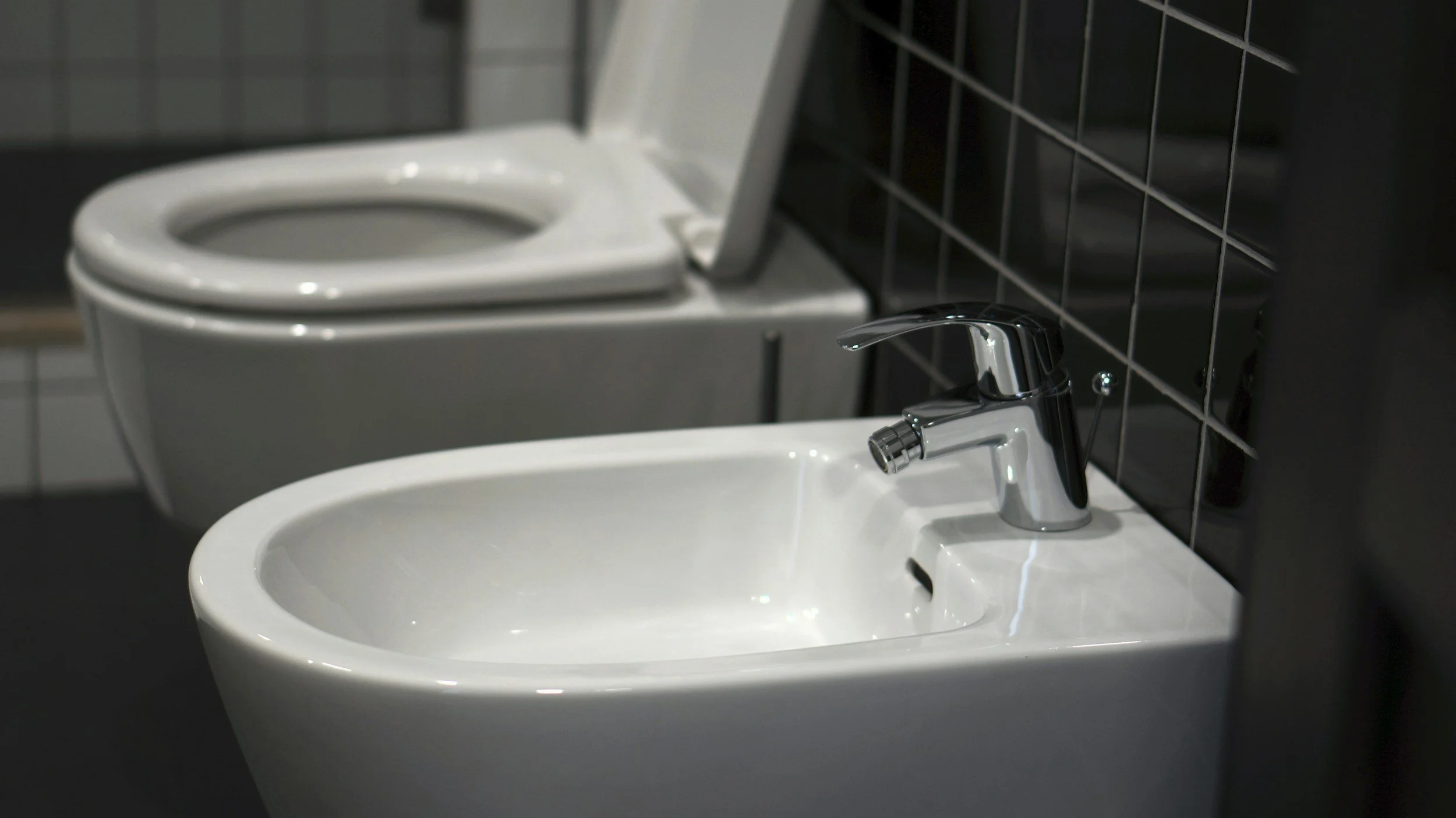
The Full-Lifecycle Plumbing Partner: Service & Construction
From a midnight emergency to a blueprint layout, [Business Name] is your all-in-one partner for professional plumbing solutions. We serve homeowners, general contractors, and business owners across [Location] with a dual focus: providing rapid, dependable maintenance and repairs today, and delivering precise, code-compliant new construction installations for the future.
With fully licensed technicians and a commitment to seamless project management, we ensure your building's vital systems are built to last and maintained to perform.
The Two Sides of Our Expertise
We bridge the gap between urgent care and master craftsmanship. One company. One high standard of work.
1. Residential & Commercial Service Division
Rapid Emergency Response: Leaks, bursts, and backups don't wait for business hours. Our service fleet is fully stocked and on the road to resolve your plumbing emergencies fast.
System Upgrades: From high-efficiency water heater replacements (tank, tankless, and hybrid heat pumps) to whole-house water filtration setups.
2. New Construction & Remodel Division
Blueprint & Design Collaboration: We work directly with general contractors, architects, and owners to map out efficient, high-performance DWV (drain, waste, vent) and supply systems.
Precision Rough-Ins: Ground-up piping, underground utilities, and multi-floor stack layouts executed cleanly, safely, and strictly to local building codes.
Flawless Finish Plumbing: Meticulous installation of high-end fixtures, commercial kitchens, medical office hookups, and luxury residential finishes.
From Groundbreaking to Routine Maintenance
We understand that a building is only as good as the infrastructure hidden inside its walls. Because we build these systems from scratch, we know exactly how to service, repair, and optimize them better than anyone else.
Whether you are breaking ground on a new commercial development, remodeling your dream kitchen, or facing a plumbing emergency—we have the licensing, manpower, and expertise to get it done right.

The Great Hot Water Debate: Tank vs. Tankless
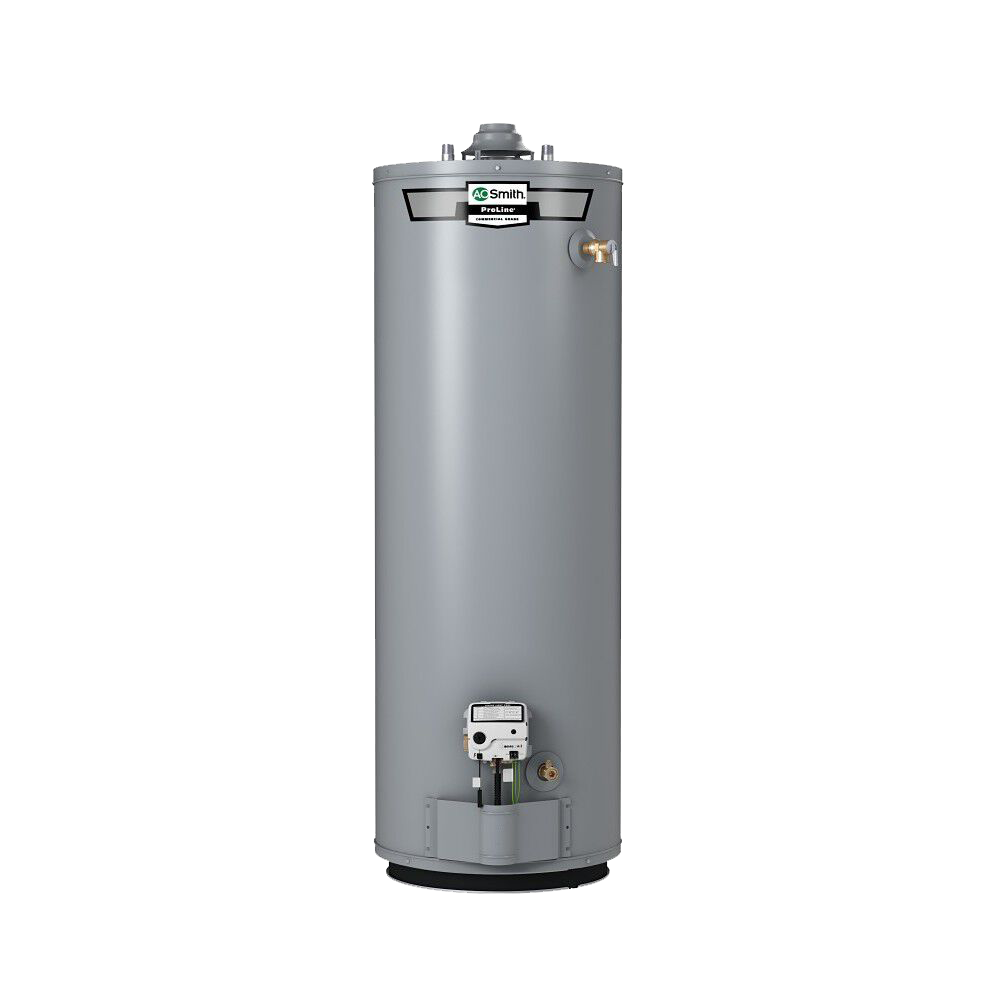
Option 2: Tankless Water Heaters
"Endless Hot Water & Maximum Energy Efficiency"
Tankless systems represent the cutting edge of home comfort. Instead of wasting energy keeping 50 gallons of water hot all day when no one is home, tankless units use powerful heating elements to flash-heat water instantly and on-demand the moment you turn on a faucet.
Unlimited, Endless Showers: Because it heats water as it flows, you will never "run out" of hot water. The 5th person in line for the morning shower will get the exact same hot water as the 1st.
Lower Utility Bills: By eliminating "standby heat loss" (reheating a giant tank over and over), tankless units can cut your water heating energy costs by up to 30%.
Reclaim Your Space: Roughly the size of a carry-on suitcase, these sleek units mount directly to your wall. You can completely reclaim the valuable square footage of a utility closet or garage corner.
Double the Lifespan: While a tank wears out after a decade, a properly maintained tankless unit easily lasts 20+ years, making it a much smarter long-term investment.
Best For: Large families, luxury homes with high-draw rainfall showerheads or soaking tubs, and energy-conscious homeowners looking to reduce their carbon footprint and maximize storage space.
Whether you want the straightforward affordability of a traditional tank or the endless comfort and savings of a modern tankless upgrade, our certified team is here to help. We’ll calculate your home's exact hot water demands, inspect your existing setup, and provide a transparent, upfront estimate.
Contact us today to schedule your free consultation and never get stuck in a cold shower again!
In Southern California, the average cost to purchase and install a new tankless water heater generally ranges between $3,500 and $6,500. For a standard whole-house system from a reputable brand (like Navien, Rinnai, or Noritz), most SoCal homeowners spend right around $4,500 for a complete professional installation.
The price range for tankless systems is significantly wider than traditional tanks because the upfront cost depends entirely on whether you are doing a straight replacement (swapping an old tankless for a new tankless) or a conversion (switching from a traditional tank to a tankless).
Like-for-Like Replacement ($2,500 – $4,500): If your home is already set up for a tankless system and your current unit has simply failed, the job is straightforward. The plumbing, venting, and power sources are already in place, keeping labor costs down.
Tank-to-Tankless Conversion ($4,500 – $8,000+): Converting a home from a traditional tank to a tankless system requires major retrofitting. Contractors must relocate water lines, install completely new ventilation, and often upgrade secondary utilities, which pushes labor and material costs much higher.
Gas Line Upsizing ($500 – $2,000): This is the most common hidden cost in a conversion. A standard 50-gallon tank slowly uses about 40,000 BTUs of gas. A whole-house tankless unit needs to flash-heat water instantly, requiring up to 199,000 BTUs. If your home's existing gas lines are only 1/2-inch thick, a plumber must run a larger 3/4-inch or 1-inch line directly from your gas meter to the unit.
Specialized Category III/IV Venting ($300 – $800): You cannot vent a gas tankless heater through an old tank’s tin chimney. Because tankless exhaust gases are cooler and highly acidic, building codes require dedicated, airtight stainless steel or PVC condensing vent lines routed horizontally through an exterior wall.
Electrical Additions ($200 – $500): Even gas tankless water heaters require electricity to power their internal computer boards, sensors, and electronic ignition. If your old tank was in a garage corner or exterior closet without a nearby electrical outlet, an electrician must pull a new dedicated 120V line.
Permits & Local Compliance ($150 – $400): Southern California municipalities strictly require building permits for tankless installations. Depending on your city, this often includes fees for plumbing permits, gas outlet permits, and mandatory earthquake/seismic valve inspections.
When it’s time to replace your water heater, you’re faced with a major choice: stick with a traditional tank or upgrade to a modern tankless system? Both are fantastic options, but the right choice depends entirely on how your family uses water, your upfront budget, and your long-term energy goals.
Let's break down the benefits of each so you can make the perfect match for your home.
Option 1: Traditional Tank Water Heaters
"Proven Reliability & Budget-Friendly Performance"
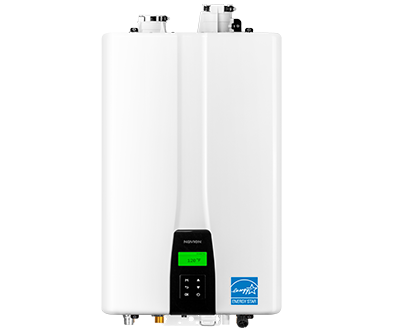
The traditional tank water heater is the trusted backbone of American homes. It works by keeping a large volume of water (usually 40 to 50 gallons) heated and ready in an insulated reservoir 24/7.
Lowest Upfront Investment: Tank heaters are significantly less expensive to purchase and install compared to tankless units, making them the go-to choice for immediate, budget-conscious replacements.
Massive Initial Flow: Because the hot water is already sitting there waiting, a tank unit can easily feed multiple plumbing fixtures at the exact same time without dropping water pressure.
Simple, Low-Cost Maintenance: With fewer electronic components and simpler mechanics, tank heaters are highly reliable and exceptionally straightforward to service or repair over their 10-to-15-year lifespan.
Best For: Budget-conscious homeowners, smaller families, or properties where a fast, uncomplicated replacement is the top priority.
In Southern California, the average cost to purchase and professionally install a new standard tank water heater typically ranges from $2,000 to $3,500. For a basic, straightforward "like-for-like" replacement, most homeowners land right around $2,400 to $2,800. The pricing variations depend on size, fuel type, and mandatory code requirements:


Frequently Asked Questions
-
Step one is always to shut off the main water valve immediately to prevent structural flooding. This valve is usually located near the street, in your garage, or on the outside wall of your home. Once the water is off, open your lowest outdoor faucets to drain any remaining water from the pipes, and call a licensed plumber right away.
-
Recurring clogs usually mean the blockage isn't completely gone, or there is a deeper structural problem. While hair and soap scum cause minor clogs, persistent backups are often caused by tree roots cracking into your main sewer line, a buildup of cooking grease, or foreign objects like "flushable" wipes. We recommend a professional camera inspection to pinpoint the exact cause.
-
If you have a traditional tank heater, this usually indicates that the lower heating element (on electric units) has failed, or a thick layer of sediment and mineral scale has built up at the bottom of the tank, blocking the heat transfer. If the unit is more than 10 years old, the tank may simply be reaching the end of its lifespan and need a replacement.
-
A traditional tank heater keeps a reservoir of 40–50 gallons of water continuously hot 24/7, making it cheaper upfront but limited in capacity. A tankless system heats water instantly and on-demand as it flows through the unit. Tankless systems never run out of hot water, take up significantly less wall space, and can cut your energy bills by up to 30%, though they cost more to install initially.
-
If the drop happens everywhere suddenly, it could be a neighborhood-wide issue or a leak in your main water line. However, if it’s a chronic problem, it’s often a failing Pressure Regulating Valve (PRV) or heavy mineral scale buildup choking the inside of older galvanized iron pipes.
-
For a standard 40 gal - 50 gal tank water heater, the pricing starts at $1800 installed to include:
40 gal - 50 gal water heater
Seismic straps
¾ - inch Stainless supply lines
½ - inch gas valve
½ - inch gas line
½ - inch gas sediment trap
Additional add on’s include:
Water heater stand
Water heater pan
Cold water shut off valve
Exhaust ducting
Recirculating pump
Expansion tank